Toolbox Talks are an impactful way to supplement health and safety efforts. Proven to decrease reported incidents in industrial trades, employees in the manufacturing industry may benefit from these short safety talks.
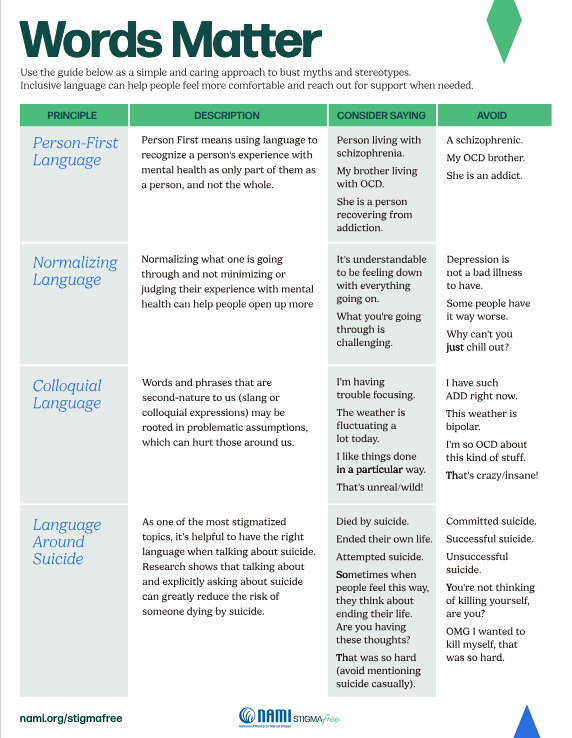
Download these free mental health toolbox talks for people managers to guide mental health conversation as a part of workplace safety.
Partnership in action
This guide was made possible through NAMI’s long-standing partnership with The Hartford, a StigmaFree partner committed to advancing mental health support in workplaces nationwide. Together, we believe every organization can be prepared to respond to a crisis with empathy, safety, and care.
The need for increased focus on workplace mental health in manufacturing is clear.
Manufacturing workers often face unique mental health stressors, including demanding production schedules, rotating shifts, physically strenuous tasks, job insecurity tied to market changes, and limited downtime. Noise, heat, repetitive motion, and long hours can contribute to fatigue and stress, which may affect concentration, reaction time, and overall well-being. Addressing mental health in this context is not only a wellness issue, but a safety and operational priority.
Signs someone might be struggling can show up on the shop floor in ways that are easy to overlook. Increased irritability, disengagement, absenteeism, or difficulty focusing may signal that someone is not doing well. When these signs go unaddressed, they can increase the risk of injuries, quality errors, and burnout. Creating regular opportunities to talk about mental health helps teams recognize concerns earlier and reinforces that seeking support is a sign of strength, not weakness.
By integrating mental health into established safety practices like toolbox talks, manufacturing organizations can meet employees where they are. This approach respects the pace and structure of industrial work while promoting a more supportive, resilient workforce. When leaders consistently connect mental health to safety, productivity, and support for one another, it sends a clear message that well-being is essential to doing the job safely and well.